AI Relaxation Routines: Micro-Resets, Sleep, and Calm
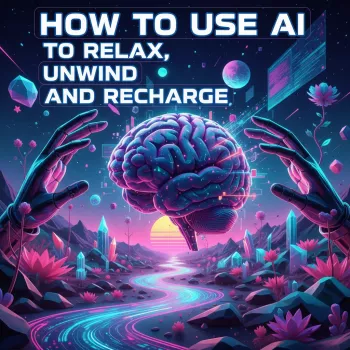
How to Use AI to Relax, Unwind, and Recharge
AI can support calmer days by reducing decision fatigue, guiding simple mindfulness practices, and helping build repeatable wind-down routines. Used intentionally, it becomes a gentle assistant for relaxation—suggesting short resets, soothing audio ideas, reflective journaling prompts, and personalized schedules that protect rest without adding complexity.
What AI can do for relaxation (and what it can’t)
When stress feels fuzzy, AI can help turn it into something workable. You can describe what’s happening in plain language, then ask for one small next step—something you can actually do in the next minute or two.
- Clarify what you’re feeling: name emotions, spot triggers, and choose a small calming action.
- Provide structure: short breathing scripts, body scans, bedtime routines, or “if-then” plans for anxious moments.
- Reduce mental load: plan meals, errands, and tomorrow’s priorities so the evening feels lighter.
- Support creativity for calm: playlists, ambient soundscapes, nature-story visualizations, gentle yoga flows, or low-effort hobbies.
- Know the limits: AI isn’t a therapist and can’t replace professional care. If you’re in crisis or dealing with persistent panic, depression, or insomnia, seek qualified support.
For evidence-based stress and mindfulness basics, the American Psychological Association and the National Center for Complementary and Integrative Health offer clear, practical overviews.
Set up a calm-first AI environment
A relaxing AI routine starts with fewer tools, fewer words, and fewer decisions. The goal is a steady “calm lane” you can return to without thinking.
- Pick one primary tool: a chat app, voice assistant, or notes app—avoid app-hopping.
- Create a dedicated “Calm” space: one chat thread, folder, or notebook for your favorite scripts and checklists.
- Set privacy boundaries: skip identifying details; keep sensitive journaling in offline notes if preferred.
- Use voice when possible: speaking reduces friction, especially while walking or lying down.
- Add gentle guardrails: ask for brief responses, soft language, and a single next step to prevent overload.
Quick setup checklist for a calmer daily flow
| Goal | AI setting to use | Example request | Best time |
|---|---|---|---|
| Less scrolling | Short responses + one action | Give one 2-minute reset for right now. | Midday |
| Easier evenings | Routine template | Build a 20-minute wind-down routine with steps and timing. | After dinner |
| Better sleep hygiene | Gentle reminders | Create a low-stimulation bedtime plan starting at 9:30 PM. | Night |
| More mindful breaks | Micro-practices | Suggest a 60-second breathing practice for a tense moment. | Anytime |
| Emotional clarity | Reflective questions | Ask me 5 questions to help name what I’m feeling. | When overwhelmed |
Micro-resets: 30 seconds to 5 minutes
Micro-resets work best when they’re specific, timed, and easy to finish. If you tend to overthink, ask for “one short script, then one next action” so you don’t end up reading instead of resting.
- Breathing reset: request a 4–6 pattern (inhale 4, exhale 6) plus a simple 1-minute timer plan.
- Body scan shortcut: ask for a 2-minute scan from forehead to feet with neutral, non-judgmental cues.
- Grounding in place: request a “5-4-3-2-1” script tailored to home, the office, or public transit.
- Thought defusion: ask for a short script that labels thoughts as “stories,” then returns attention to the present.
- Decision relief: when spiraling, ask for a single next action (drink water, step outside, stretch, message a friend).
Unwind after work: a low-effort decompression plan
After a long day, the best plan is the one that asks almost nothing from you. Let AI “hold the steps” so you can simply follow along.
- Transition ritual (10 minutes): ask AI to design an “arrival routine” (change clothes, wash hands, dim lights, one song).
- Screen taper: request a step-down sequence (messages first, then entertainment, then screens off).
- Nervous system downshift: request a gentle stretch flow based on your time (5/10/15 minutes).
- Emotional offload: use guided “brain dump” prompts (work leftovers, worries, tomorrow’s first step).
- Comfort menu: ask for low-energy options matched to mood (tired, restless, lonely, overstimulated).
If sleep is the priority, keep stimulation low and consistency high. The National Heart, Lung, and Blood Institute outlines practical sleep hygiene habits that pair well with a simple AI-made wind-down routine.
Recharge routines that actually stick
Routines last when they match your real energy and fit into moments that already exist.
Mindful living with AI: journaling, gratitude, and values-based calm
Safe, mindful use: boundaries that protect peace
A practical digital guide for calm, balance, and recharge
- How to Use AI to Relax, Unwind, and Recharge — Digital Download (guided routines, ready-to-use scripts, and simple schedules)
- How to Use AI to Discover Your Personal Values (values-based reflection to reduce “busy stress” and focus on what matters)
- How to Use AI to Plan Family Activities (lighter logistics so downtime stays restorative)
FAQ
What’s a simple way to use AI to calm down in under two minutes?
Ask for a 60–90 second breathing script with longer exhales (like inhale 4, exhale 6), followed by a quick 5-4-3-2-1 grounding cue and one next action (water, stretch, or step outside). Keep the request focused so the response stays low stimulation.
Can AI help with better sleep and nighttime wind-down?
Yes—use it to build a consistent pre-sleep routine, a screen-taper plan, relaxing audio ideas, and a short brain-dump prompt to clear mental clutter. If insomnia persists or worsens, seek professional guidance to rule out underlying issues.
Is it safe to share personal feelings with an AI tool?
Use basic privacy habits: avoid identifying details, and consider keeping sensitive journaling offline. AI can support reflection, but it isn’t a therapist—reach out to a qualified professional when you need deeper help.




Leave a comment