Smart Health with AI: Track Data, Build Better Habits
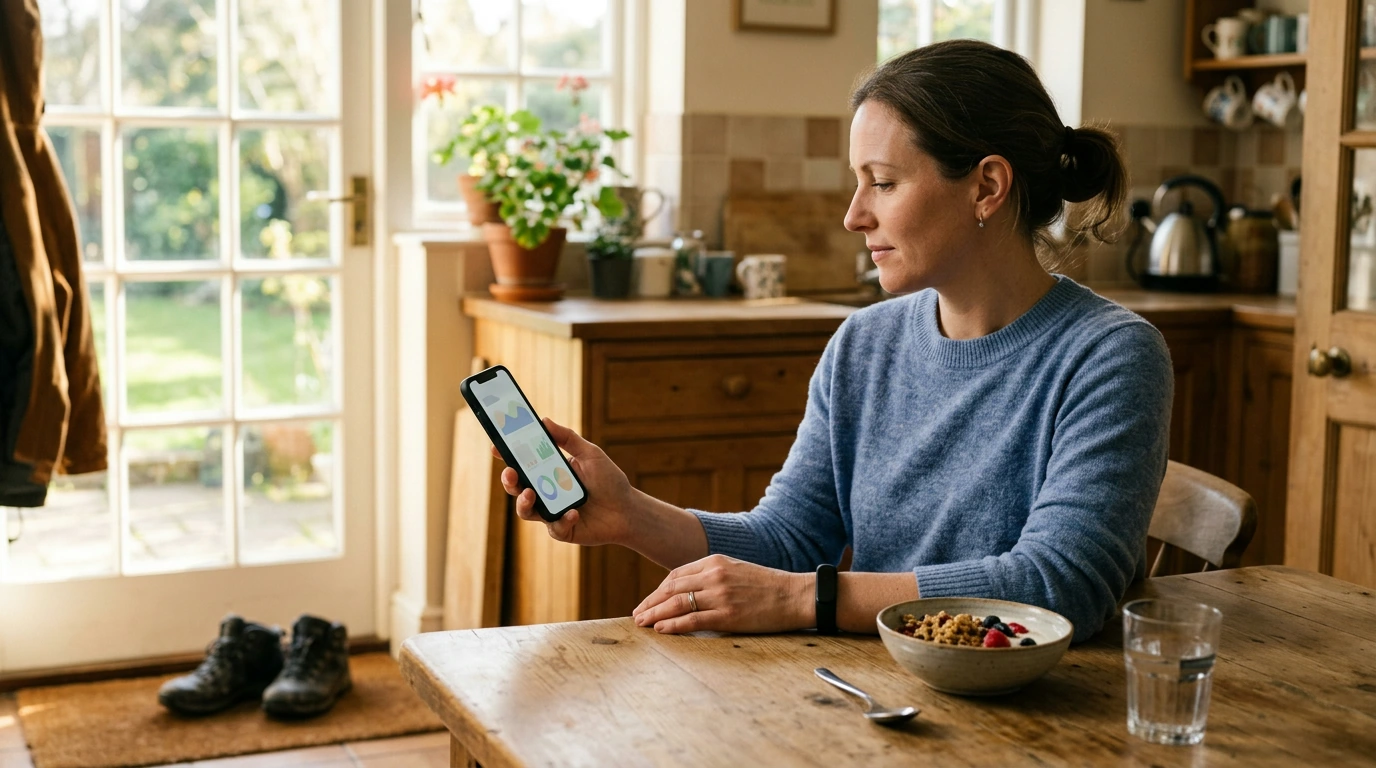
AI-powered health tools can turn everyday data—sleep, movement, nutrition, stress signals—into clear patterns and practical next steps. When used thoughtfully, they help set realistic goals, spot early warning signs, and build habits that stick, while keeping privacy and safety in focus.
What “smart health” looks like day to day
Smart health isn’t about chasing perfect numbers. It’s about using technology to reduce guesswork and make daily decisions easier—especially when life is busy.
- A single view of wellbeing that combines sleep, activity, recovery, mood, and nutrition signals
- Personalized nudges based on trends rather than one-off readings
- Progress tracking that focuses on consistency, not perfection
- Actionable outputs: what to change tonight, this week, or before the next workout
- A feedback loop: log → learn → adjust → re-check
Over time, that loop builds self-awareness without requiring constant willpower. Instead of “try harder,” the system becomes: “change one thing, watch what happens, keep what works.”
How AI turns health data into useful insights
Most people can collect data. The advantage of AI is interpretation—turning scattered signals into a clearer story about what’s helping or hurting your energy, mood, and recovery.
- Pattern detection: finds relationships (for example, late caffeine and fragmented sleep) that are hard to notice manually
- Baselining: learns typical ranges for an individual, then flags meaningful deviations
- Prediction: estimates likelihood of outcomes such as fatigue, missed workouts, or poor sleep quality
- Personalization: recommendations adapt to schedule, preferences, and response to changes
- Natural-language coaching: converts metrics into plain-language guidance and small next steps
That last point matters: the best systems translate “numbers” into doable actions. The goal is fewer decisions, not more dashboards.
What to track for the biggest payoff
More tracking isn’t always better. A small set of high-leverage signals tends to produce faster improvements—especially when the focus stays on trends across weeks, not daily fluctuations.
- Sleep: duration, regularity, awakenings, and bedtime consistency
- Activity: steps, active minutes, strength sessions, and sedentary time breaks
- Recovery: resting heart rate and heart-rate variability (where available)
- Stress and mood: short check-ins that explain why numbers change
- Nutrition basics: meal timing, hydration, fiber/protein targets, and alcohol frequency
- Health markers (when appropriate): blood pressure, glucose trends, and weight patterns—ideally with clinician guidance
Common signals and what they can help you improve
| Signal | What it reflects | Practical next step |
|---|---|---|
| Sleep regularity | Circadian stability and recovery quality | Pick a consistent wake time; adjust bedtime gradually |
| Resting heart rate | Recovery status, illness, stress load | Prioritize lighter training and earlier bedtime when elevated |
| HRV (if measured) | Autonomic balance and cumulative stress | Add active recovery, reduce intensity, and improve sleep routine |
| Sedentary time | Daily movement “gaps” that affect energy and glucose control | Set 2–5 minute movement breaks each hour |
| Meal timing | Energy stability and sleep disruption risk | Aim for earlier dinners; limit heavy meals close to bedtime |
Building a simple AI-supported routine (without burnout)
A practical routine should feel boring in the best way: repeatable, flexible, and forgiving. The easiest way to get there is to narrow your focus and treat recommendations as experiments.
- Start with one goal for 14 days (sleep consistency, daily steps, or hydration)
- Choose 2–3 metrics that directly support that goal; ignore the rest temporarily
- Use weekly reviews instead of reacting to daily noise
- Treat recommendations as experiments: change one variable, then observe results
- Create “if-then” plans (e.g., if sleep < 6.5 hours, then reduce workout intensity and add a 20-minute walk)
To keep momentum, define success as “showed up.” For example: three short walks this week can be more valuable than one perfect workout followed by a crash.
Accuracy, bias, and when to trust the numbers
Health devices and apps are helpful, but they’re not flawless. Use them as guides—especially for long-term trends—rather than final answers.
- Wearables estimate many metrics; trends are usually more reliable than single readings
- Skin tone, fit, motion, and device placement can affect optical sensors
- Sleep staging is an approximation; focus on duration and consistency first
- Use validated devices for medical measurements (e.g., blood pressure cuffs) when needed
- If a metric increases anxiety or drives unhealthy behavior, reduce exposure or turn it off
If you notice symptoms (chest pain, fainting, severe shortness of breath, persistent insomnia, or sudden changes in mood), treat that as a medical issue—not a data puzzle.
Privacy and data safety basics
Smart health works best when trust is built in. Before committing to a platform, take a minute to check how your data is handled and what control you keep.
For broader context on digital health approaches and oversight, review resources from the World Health Organization and the U.S. Food & Drug Administration.
Putting it together with a guided framework
For a step-by-step system designed around real-life constraints, see Smart Health: Harnessing AI to Track and Improve Your Wellbeing. For a values-first angle that makes health goals easier to stick to, pair it with How to Use AI to Discover Your Personal Values — AI Guide to Unlock Your True Priorities, Self-Discovery eBook, and Personal Growth Checklist.
For additional research on wearables and how they’re studied, the National Institutes of Health is a helpful starting point.
FAQ
Do AI health tools diagnose medical conditions?
Most AI health tools support tracking, trend-spotting, and coaching rather than diagnosing conditions. For symptoms, abnormal readings, or chronic concerns, a licensed clinician should evaluate the situation.
Which matters more: perfect accuracy or consistent tracking?
Consistent tracking usually matters more because week-over-week trends and personal baselines are often the most actionable. Even if a number isn’t perfectly precise, changes over time can still guide better decisions.
How can health tracking avoid becoming stressful?
Limit tracking to a few metrics tied to one goal, review progress weekly, and turn off notifications that don’t help. Focusing on habits (sleep routine, daily movement, recovery) is typically calmer than chasing scores.






Leave a comment